

EXHIBITION
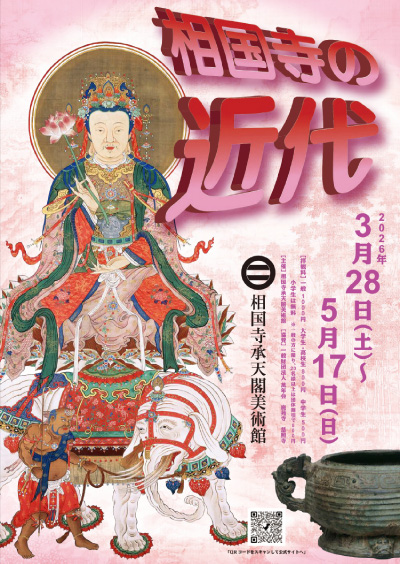
Shokoku-ji Temple in the Contemporary Era
March 28 (Sat) to May 17 (Sun), 2026
Shokoku-ji Temple in the Contemporary Era
March 28 (Sat) to May 17 (Sun), 2026
Overview
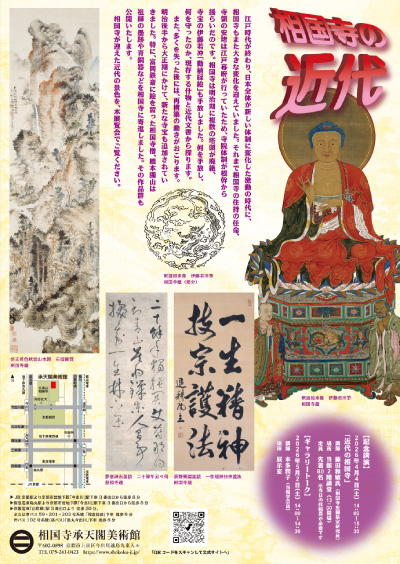
At the close of the Edo era, a time of upheaval as Japan overall transformed to a new structure, Shokoku-ji Temple also faced major changes. As appointment of the temple’s abbots and the guarantee of its landholdings had long been performed by the Tokugawa shogunate, the foundation of the temple was shaken to its core. During the Meiji era, a number of subsidiary temples of Shokoku-ji Temple were subjected to closure. The temple also relinquished treasures including Ito Jakuchu’s “Doshoku Sai-e” (Colorful Realm of Living Beings). This exhibit explores what was relinquished and what was preserved, based on extant artifacts and contemporary documents.
After the loss of so much, a movement toward reconstruction appeared. From the late Meiji era through the Taisho era, new treasures were added to the temple. Among these are brush works of the temple founder and bronze vessels donated to the temple by Hashimoto Dokuzan, a Shokoku-ji Temple monk who studied painting under Tomioka Tessai. Collections of these works will also be on display.
Through this exhibit, you are invited to view the landscape of modernity that Shokoku-ji Temple encountered.
Exhibition Structure
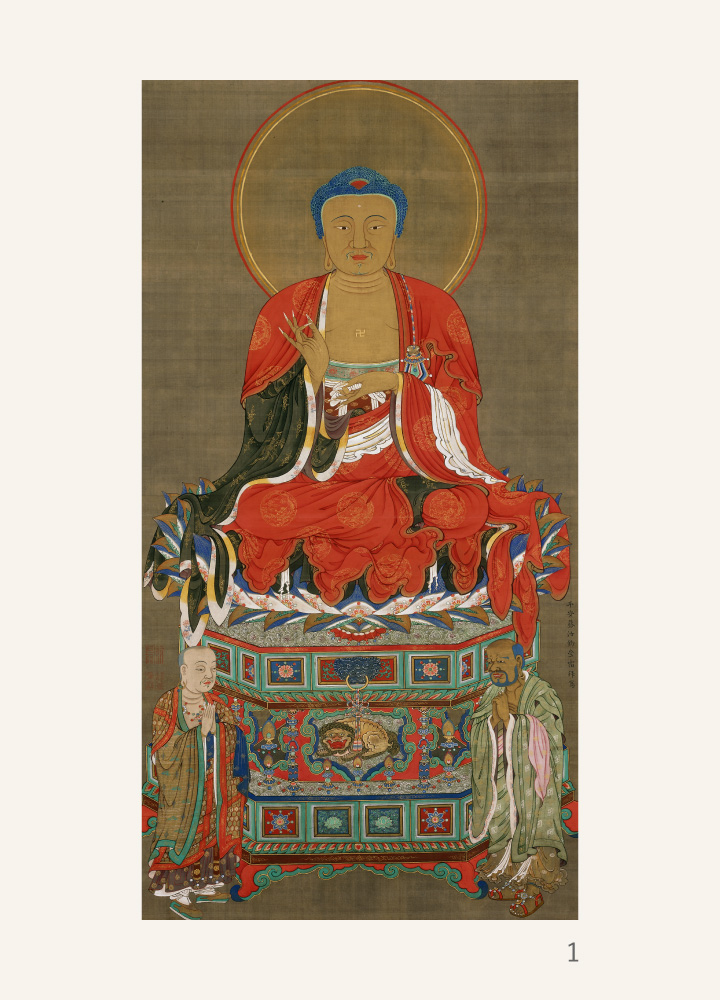
Section 1Temple treasures relinquished, temple treasures preserved
Shaka Sanzon-zu, Itō Jakuchū, Shokoku-ji Temple Collection (Image 1)
First public display Documents related to donations by the Imperial Family, Shokoku-ji Temple Collection
First public display Gleanings of Sesshu’s “Haboku sansui-zu” (Broken Ink Landscape), Jisho-in Temple Collection
Section 2The Satsuma Domain and Shokoku-ji Temple
First public display Shorei-in Temple Records, Rinko-in Temple Collection
Map of the Shokoku-ji Temple precincts, Shokoku-ji Temple Collection
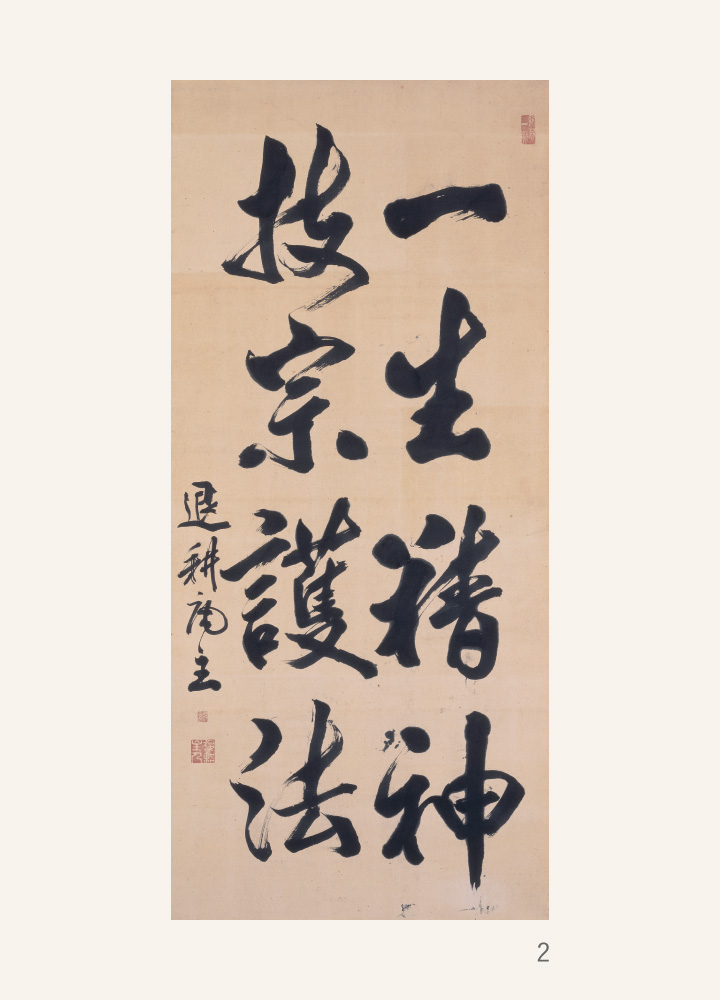
Section 3The Meiji Government and Shokoku-ji Temple
Commemorative Portrait of Ogino Dokuon, Hokō-ji Temple Collection
Calligraphy by Ogino Dokuon, “Issho seishin fuso goho”, Shokoku-ji Temple Collection (Image 2)
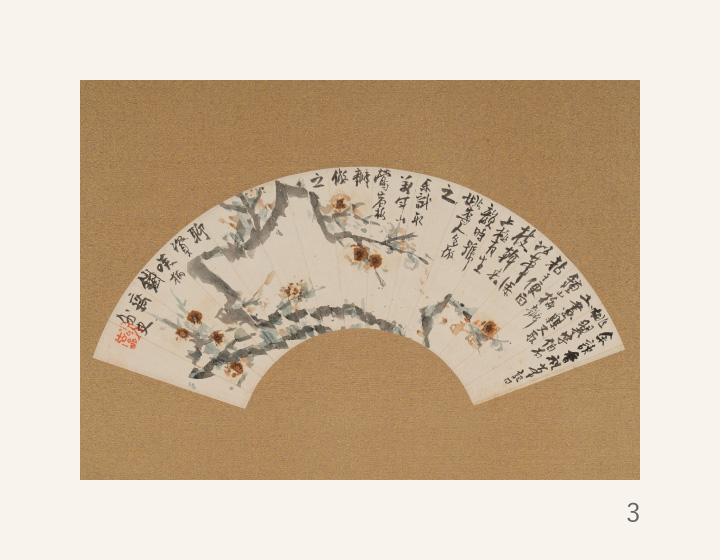
Section 4Honoring the Meiji literati
Dragon Painting, Ito Jakuchu, Tomioka Tessai hakogaki (note of authentication), Daikomyo-ji Temple Collection
First public display “Seika-sensei bushozu shiika”, Tomioka Tessai and others, Rinko-in Temple Collection
First public display “Oshukubai-zu”, Tomioka Tessai, Rinko-in Temple Collection (Image 3)
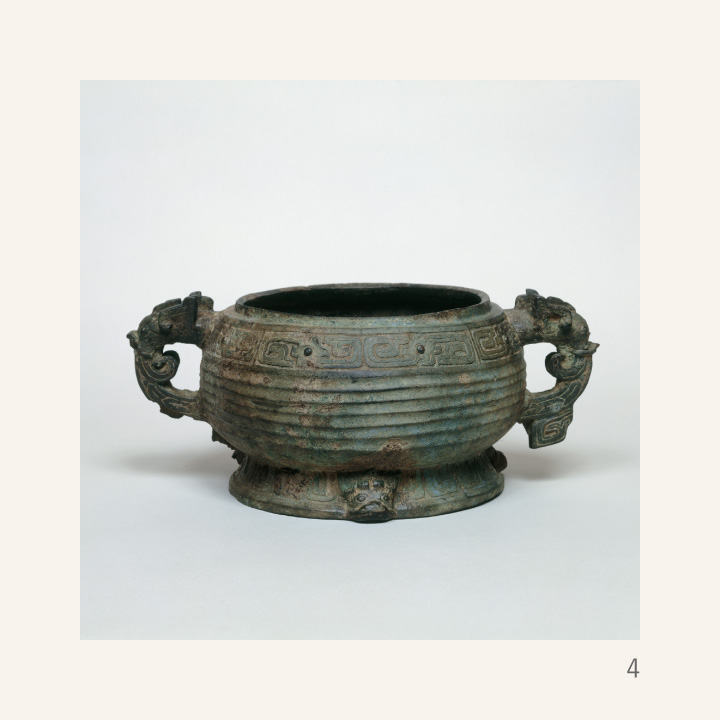
Section 5Acquired temple treasures
Calligraphy by Shun’oku Myoha , Noso Senso, Shokoku-ji Temple Collection
Lightly-colored spring landscape painting, Inscription by Xie Shichen, Shokoku-ji Temple Collection
Seido gishuryumonki, Shokoku-ji Temple Collection (Image 4)
Highlights
Highlight 1Records of dispersed temple treasures
Under the policies concerning temples and the anti-Buddhist movement of the Meiji era, Shokoku-ji Temple relinquished many of its treasures in order to survive. Among these dispersed works are several that have been designated National Treasures. Notable among these is “Doshoku Sai-e” (Colorful Realm of Living Beings), famed as a masterpiece of Edo-era painter Ito Jakuchu and donated by the Imperial Family. This exhibit features materials, including those on public display for the first time, that communicate the thoughts of Ogino Dokuon, the temple abbot who made the decision to relinquish the works at the time.
Highlight 2Records of the commemoration of Fujiwara Seika
The grave of Fujiwara Seika (1561–1619), famed as a founder of Japanese Neo-Confucianism, is located at Rinko-in Temple, a subsidiary temple of Shokoku-ji Temple. In the Meiji era, a movement to commemorate Seika, centered on Tomioka Tessai, resulted in the erection of a tombstone in 1889 and the conferring of the court rank of Shoshii (Senior Fourth Rank) on Seika in 1893. The exhibit displays woodblocks used to print the commemorative publications, records of poetry gatherings placed on display for the first time, and other artifacts.
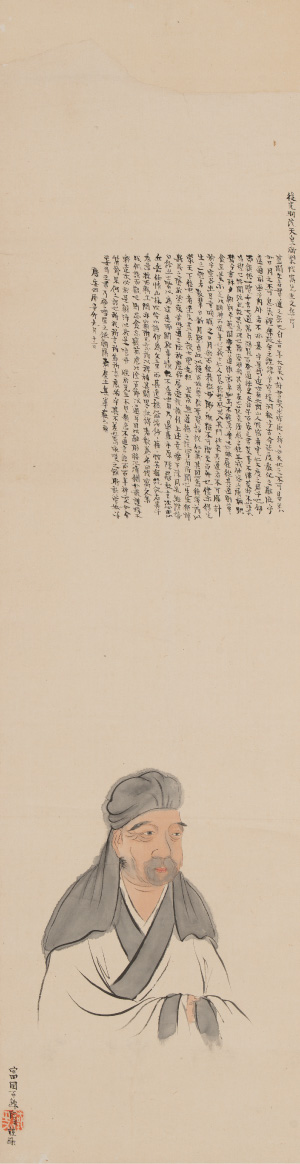
Portrait of Fujiwara Seika,
Tomioka Tessai, Rinko-in Temple Collection
Exhibition Information
- Exhibition Dates
- March 28 (Sat) to May 17 (Sun), 2026
- Hours
- 10:00 a.m. – 5:00 p.m. (Last entry at 4:30 p.m.)
- Admission Fees
-
Adults ¥1,000 University/High School Students ¥800 Middle School Students ¥500 *Groups: ¥800 for groups of 20 adults or more
*Guests with a disability certificate and one caregiver are admitted free of charge. - Organized by
- Shokoku-ji Jotenkaku Museum
- Sponsored by
- Mannenkai Foundation, Kinkaku-ji, and Ginkaku-ji
Related Events
Commemorative Lecture “Shokoku-ji Temple in the Contemporary Era”
- Date and time
- April 4, 2026 (Sat), 14:00–15:30
- Lecturer
- Kazutoshi Fujita (Researcher, Shokoku-ji Temple Historiographical Office)
- Venue
- 2nd Floor Auditorium (Doors open at 13:30)
- Capacity
- Limited to first 80 participants
Gallery Talk
- Date and time
- May 2, 2026 (Sat), 14:00–14:30
- Lecturer
- Junko Honda (Museum Curator)
- Venue
- Exhibit Gallery
*Same-day admission tickets are required for all events.
Items for sale
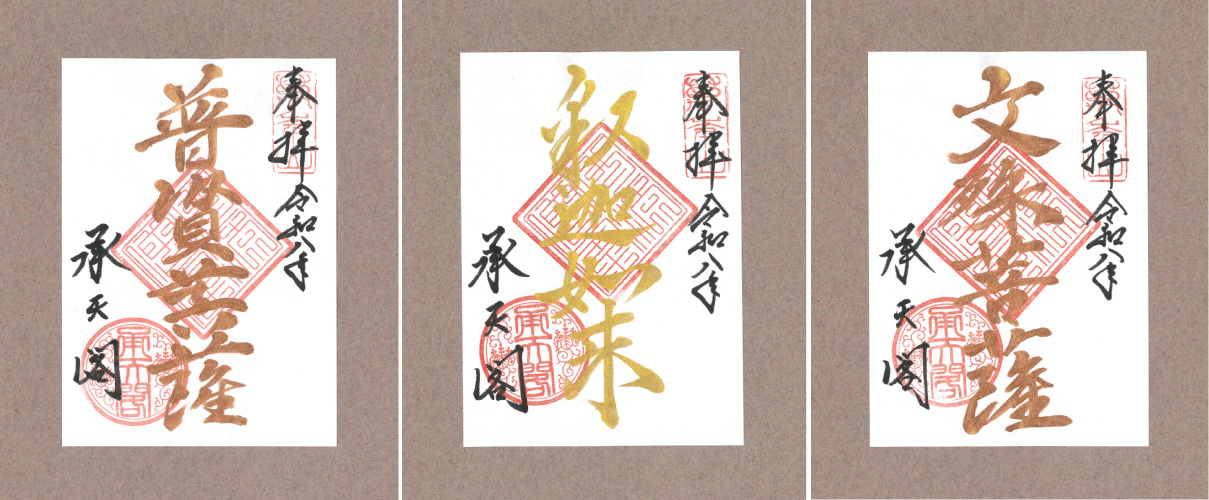
Limited Edition Goshuin (Temple Stamp)
This special goshuin temple stamp commemorates “Shokoku-ji Temple in the Contemporary Era”.
Donation: ¥400
*In written note format.
*Payment is by cash only.
Press release
-
March 13, 2026
Press release published for “Shokoku-ji Temple in the Contemporary Era”